

The Friction Problem
Small resistances stand between you and your work.

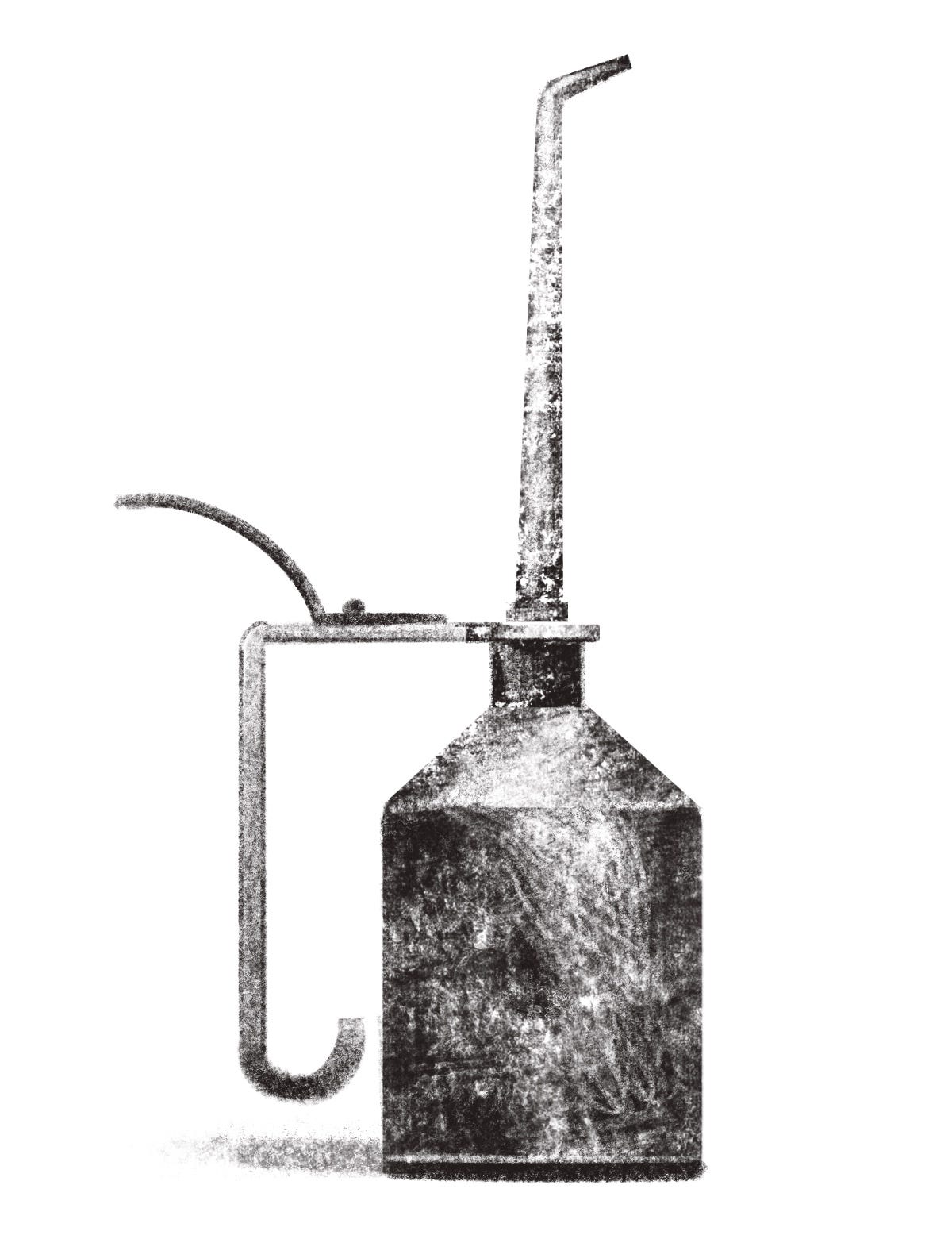
Have you heard about a concept in design and productivity called friction? It’s the small resistances that slow you down, interrupt your flow, or quietly drain your energy before you even begin. Artists deal with friction constantly, and most of us don’t think about it.
Some friction is physical. When I teach painting, one of the first things I tell students is to think carefully about where they place their taboret or palette. As a left-handed painter, mine goes on my left side. It sounds obvious, but you’d be surprised how many students set up their workspace without thinking about it at all and then spend an entire session reaching across their body to reload their brush, trailing paint across their torso, dripping on their shoes. That’s friction. It doesn’t stop you from painting, but it taxes you. It interrupts the rhythm.
The same principle applies at the easel. When drawing from a still life or a model, I encourage students to position themselves so their drawing hand is on the far side, away from the reference. This opens up your body toward what you’re looking at. You’re not twisting, not peering around your own outstretched arm, not craning over your shoulder. You can see and draw in one fluid motion.
Another small cheat code: always lay out the colors on your palette in the same order, every time. It becomes muscle memory. After a while, you’re not looking for Burnt Umber, you just reach for it. In low light, or when you’re deep in the painting moment you don’t want to break concentration, you can tell your colors apart by position alone. Consistency in setup becomes fluency in practice.
Have you heard of knolling? The term comes from the furniture world, the practice of laying out tools and objects at right angles, grouped by type, so that everything in a workspace is visible, accessible, and has a place to return to. What sounds like an aesthetic preference is actually a system for reducing decisions. When you know where your brushes live, you don’t have to think about them. You reach, you use, you return. The setup serves you instead of interrupting you. The goal isn’t just a tidy studio for its own sake, it’s a studio that gets out of your way.
Friction isn’t only physical. Some of the stealthiest forms of it look a lot like work.
Research, for instance. There’s real value in looking and studying other artists, gathering reference, understanding your subject. But research has a way of expanding to fill the time available. An hour of looking can feel productive without producing a single mark. At some point, you have to close the browser and pick up the pencil.
The same goes for shopping for supplies. The hunt for the perfect sketchbook, the right brush, the best paper for the job is seductive, and it’s endless. The tools matter, sure. But the painter who works with what’s in front of them will always outpace the one still waiting for the ideal setup to arrive in the mail.
And then there’s social media, which needs no indictment here. We all know. Every minute scrolling is a minute not making.
The question worth sitting with is this: what does friction look like in your practice, specifically? Sometimes it’s a workflow problem, something rearranged or reconsidered. Sometimes it’s a habit. Sometimes it’s avoidance dressed up as preparation.
The work is always waiting. Make it easier to begin.
Always need the reminder because it never ends.Recently, I started keeping track of time ACTUALLY spent painting, researching, etc.—it helps me stay focused. It’s humbling to watch how distracting “life” is, but also motivating to put distractions off for later. (And helpful to be able to say to people I share space with, “i’m working on getting x hours of painting done today—I can help you with y when my timer goes off.”)
Definitely agree. There is a lot of friction even when I work in a new software (I'm a 3d artist) -so setting the ui and hotkeys so that the virtual workspace becomes intuitive really adds to the enjoyment of the work later on. Takes a bit of time but it is totally worth it. The friction is so bad sometimes you dont even want to open the software because of that initial discomfort. Similarly in the physical workspace- I learnt that my mouse and keyboard positioning were causing me wrist pain because of nerve compression. Spending some time figuring out your space and tools is really worth it- like I'm looking to switch to a standing desk soon for my back pain. Fighting that friction is part of the journey indeed!