

The Hourglass Constraint
The creative case for restrictions

Have you ever sat down to start a project but found that instead of being paralyzed by an absence of ideas you have instead an avalanche of them?
The entire universe is a possibility. What will you paint? What materials are you going to use? How big or small is it going to be? All those color choices, marks you can use along with moods and meanings. The crazy abundance of choice, which sounds so great, becomes a cage. And with that you close your sketchbook and instead tidy up or go on a walk.
I would wager that you have probably felt this. I know I have. My students complain to me occasionally that I do not let them wander into this problem. There is a reason.
I have discovered that a solution of too many choices is not more freedom but less.
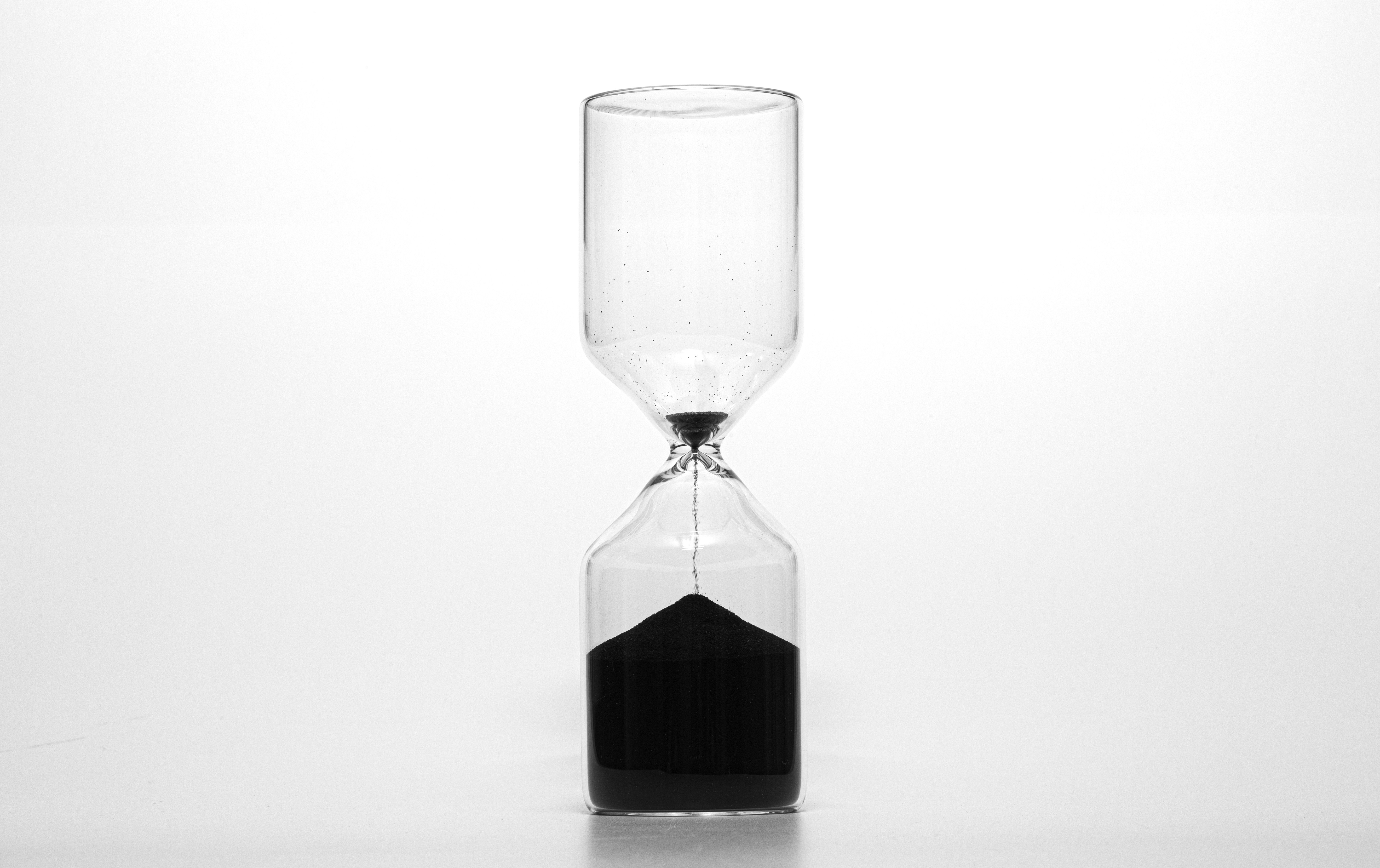
Picture in your mind’s eye an hourglass. At the top sits a wide pool of everything you could do, like color, medium, subject, etc.
Then there is that narrow spot in the middle. A constraining passage that represents the rules you set. Examples are scale, or time frame, or any other constraint. It might come from the assignment or one set by you.
At the bottom of the hourglass that narrow passage will open back up. Your work does too. That restriction becomes a kind of pressure chamber, and what emerges from it is often more inventive than anything you’d have produced if you’d been handed the whole infinite menu.
We can look back at historical artists and wonder what they might have done with our modern availabilities. Those poor people with their limitations of materials or colors. No cameras, or internet. Yet it is their extraordinary inventions born from their constraints that made their work meaningful.
What would Rembrandt have made if instead of his narrow palette of colors he had access to the paint aisle at Dick Blick? Would the work have been the same? Of course not. His constraints weren’t the obstacle. They were his instrument.
Pick an artist from the past and the same will be true for them. Artists didn’t succeed despite their constraints. They succeeded through them.
You can do this for yourself in a sketchbook, which is the perfect low-stakes laboratory for constraint-based work. So the next time you sit down to draw consider a few of the following:
Limit your color choices.
Give yourself a time limit.
Use a limited vocabulary of marks.
Try a single subject over time.
Work with constraints over days or weeks.
Write down your own set of rules at the beginning of a sketchbook which you will adhere to for the duration it’s pages.
Your constraints are the frame that make an image possible. So instead of staring at the blank page, overwhelmed by everything you could do, just give yourself a rule. You might be surprised by what opens up.
Wondiferous tips, Christopher!
Love the post. And I'm working on constraint right now.
Thankee for the post!
⏳🚀